Uncategorized

Uncategorized

Best China Sourcing and Export Partner for US Businesses

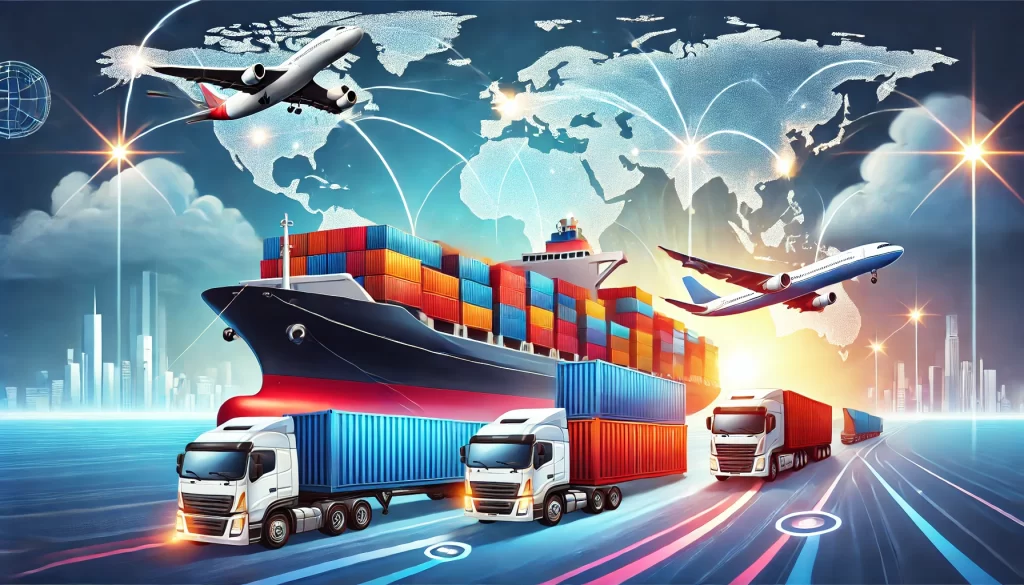
Unlock Seamless Sourcing and Exporting from China to the US Are you looking for a reliable China sourcing and export partner to help your US business thrive? Whether you need high-quality products, cost-effective solutions, or a hassle-free supply chain, we are your go-to partner for sourcing and exporting from China. Why Choose Us as Your China Sourcing and Export Partner? Our Sourcing and Export Services Industries We Serve We provide sourcing and export solutions for a wide range of industries, including: Work with the Best China Sourcing and Export Partner With years of experience in China’s manufacturing and export industry, we are committed to helping US businesses succeed with seamless product sourcing, quality assurance, and efficient logistics. Let’s take your business to the next level! 📞 Contact us today to discuss your sourcing and export needs!

Uncategorized

Reliable Import-Export Service Company in China: Your Trusted Partner for Global Trade

Introduction: When it comes to international trade, choosing the right import-export service company is crucial to ensure smooth operations and timely deliveries. If you’re looking for a reliable and efficient import-export partner in China, look no further. With China being one of the largest global trade hubs, having a trusted service provider by your side is essential. This article will highlight the key factors that make a Chinese import-export company reliable, and why you should consider partnering with one. Why Choose a Reliable Import-Export Service Company in China? Key Benefits of Partnering with a Trusted Import-Export Service Company in China Choosing the Right Import-Export Service Company in China When selecting an import-export company in China, it’s important to consider a few key factors: Conclusion: Partnering with a reliable import-export service company in China is a game-changer for businesses looking to expand globally. With expertise in international trade, extensive networks, and cost-effective logistics solutions, these companies ensure that your goods move seamlessly across borders. Whether you’re importing high-tech products or exporting raw materials, choosing a trusted partner in China will streamline your global trade operations and drive your business’s success. If you’re ready to enhance your import-export operations and take your business to the next level, find a reliable Chinese service provider today. The right partner will not only meet your logistics needs but also contribute to the long-term growth of your business.

Uncategorized

The Future of Global Trade: Emerging Trends in Import and Export

Introduction: Global trade has always been a dynamic force driving economies, connecting businesses, and fueling innovation. However, in recent years, significant changes are shaping the future of import and export activities. As technological advancements, shifting geopolitical landscapes, and evolving consumer behaviors influence the global market, companies must stay ahead of emerging trends to remain competitive and navigate the complexities of international trade. In this blog, we’ll explore some of the most important trends transforming global trade and what they mean for import and export businesses. 1. The Rise of E-Commerce and Digital Trade One of the most notable trends in global trade is the rapid rise of e-commerce. The digital transformation has revolutionized how businesses engage in cross-border trade. Online platforms, marketplaces, and digital tools are enabling small businesses and entrepreneurs to reach international consumers like never before. Key Impacts of E-Commerce on Global Trade: As e-commerce continues to grow, it will reshape the global trade landscape, presenting new opportunities and challenges for import and export businesses. 2. Automation and Artificial Intelligence (AI) in Logistics Advancements in automation and artificial intelligence (AI) are transforming how goods are transported, handled, and delivered globally. From automated warehouses to AI-powered supply chains, these technologies are improving efficiency, reducing costs, and enhancing the speed of trade. Key Innovations in Logistics: By embracing automation and AI, companies can streamline their operations, enhance productivity, and respond more effectively to changing global trade conditions. 3. Sustainability and Green Trade Practices Sustainability is no longer just a buzzword—it’s becoming a core component of global trade. As concerns over climate change grow, companies and governments are increasingly focusing on making trade more sustainable. The future of import and export will see a shift toward greener practices, with a focus on reducing carbon footprints and waste. Sustainability Trends in Global Trade: As consumers and businesses alike demand more eco-friendly practices, companies that embrace sustainability will not only reduce their environmental impact but also gain a competitive edge in the global marketplace. 4. Shifts in Global Supply Chains The COVID-19 pandemic exposed vulnerabilities in global supply chains, leading many companies to reconsider their sourcing and manufacturing strategies. As a result, businesses are exploring ways to make their supply chains more resilient, adaptable, and diversified. Shifting Supply Chain Trends: The future of supply chains is likely to be more flexible, transparent, and resilient as businesses adapt to the changing global trade environment. 5. Geopolitical Shifts and Trade Agreements Geopolitical changes, including shifting alliances, trade wars, and evolving international relationships, are also having a significant impact on global trade. Trade agreements and tariffs play a crucial role in shaping the direction of global commerce. Key Geopolitical Trends in Global Trade: Geopolitical shifts and trade agreements will continue to shape the landscape of global trade, requiring businesses to stay informed and agile. 6. The Impact of Digital Trade Barriers As global trade becomes increasingly digital, digital trade barriers are emerging as a significant concern. Countries are implementing different standards for data protection, cybersecurity, and privacy, which can complicate cross-border digital trade. Digital Trade Challenges: Overcoming these digital trade barriers will be crucial for businesses looking to capitalize on the digital trade boom. 7. Conclusion: Preparing for the Future of Global Trade The future of global trade is shaped by emerging technologies, shifting geopolitical dynamics, and evolving consumer expectations. As businesses adapt to new trends such as e-commerce growth, sustainability, and changing supply chains, they must stay ahead of the curve to remain competitive in a rapidly changing environment. To thrive in the future of global trade, businesses must embrace digital transformation, prioritize sustainability, diversify their supply chains, and stay informed about geopolitical changes. By doing so, companies can capitalize on emerging opportunities and continue to grow in an increasingly interconnected global marketplace. At Zhouqianwen, we specialize in helping businesses navigate the complexities of international trade. Contact us today to learn more about how we can support your global trade efforts and ensure your success in the evolving landscape of import and export.

Uncategorized

Navigating Customs: What You Need to Know About Import/Export Regulations

Introduction: For businesses involved in international trade, navigating customs regulations is one of the most critical—and often complex—aspects of the import and export process. Whether you’re sending goods across borders or bringing products into your country, understanding the rules and regulations governing customs is essential to ensure smooth, efficient transactions. In this blog, we’ll break down the basics of customs procedures, what you need to know about import/export regulations, and how you can avoid costly mistakes. 1. What Are Customs Regulations? Customs regulations are the rules that govern the movement of goods into and out of a country. These regulations are designed to protect national security, enforce trade laws, collect taxes and duties, and ensure that products meet the necessary health, safety, and environmental standards. When you import or export goods, your shipment must pass through customs in both the exporting and importing countries. Customs authorities will inspect the documentation, evaluate any applicable taxes and duties, and ensure compliance with national laws. 2. The Key Steps in the Customs Process Understanding the steps involved in the customs process will help you avoid delays and potential penalties. Here’s an overview of the process: a) Preparing the Right Documentation The first step in customs clearance is to provide the correct documentation. Incomplete or incorrect paperwork is a common cause of delays and fines. Key documents include: b) Customs Inspection Once the shipment arrives at the border, customs authorities will review the submitted documents and may inspect the physical goods. They’ll check for compliance with import/export regulations, such as safety standards, labeling requirements, and prohibited or restricted items. c) Paying Duties and Taxes Duties are taxes imposed by the importing country on foreign goods, and these are calculated based on the value, weight, or classification of the goods. Every country has different rules for calculating customs duties, and the rate can vary depending on the nature of the goods and the trade agreement between the countries. Some goods may also be subject to Value-Added Tax (VAT) or Sales Tax, which is added to the purchase price. Understanding the duty structure and ensuring timely payment is key to avoiding delays in customs clearance. d) Customs Clearance and Release Once your shipment has been cleared and all duties and taxes are paid, the goods will be released by customs and can proceed to their final destination. If any issues arise, such as missing documentation or unpaid fees, customs may hold the shipment until the issues are resolved. 3. Common Challenges with Customs Compliance Even experienced importers and exporters can face challenges when dealing with customs regulations. Here are some of the most common issues: a) Incorrect Classification of Goods Classifying your goods under the correct Harmonized System (HS) Code is essential for determining applicable duties and taxes. Misclassifying products can lead to incorrect duty assessments, delays, and even penalties. Be sure to research and apply the correct HS codes to avoid these issues. b) Incomplete or Inaccurate Documentation As mentioned earlier, customs requires a range of documents to process your shipment. Any inaccuracies, such as incorrect values, missing signatures, or unclear descriptions of goods, can cause delays and lead to penalties. Always double-check your documentation and keep it up-to-date. c) Prohibited or Restricted Items Certain goods may be restricted or prohibited from entering a particular country. For example, some countries ban the import of certain agricultural products, electronics, or chemicals. Make sure you research the restrictions and prohibitions in your destination market to avoid having your shipment rejected. d) Customs Delays Sometimes, customs inspections and clearance procedures can take longer than expected, especially during peak seasons or if customs authorities require further verification. It’s always a good idea to plan for extra time when shipping internationally and to factor in any potential delays. 4. How to Stay Compliant with Customs Regulations Compliance with customs regulations is essential to keep your shipments moving smoothly and avoid costly fines. Here are some practical steps to stay on top of customs rules: a) Stay Updated on Customs Laws Customs laws and regulations are subject to change. Ensure that you are always informed about the latest updates related to tariffs, duties, and customs policies in both your home country and your destination market. Subscribe to trade publications, consult with trade experts, and stay connected with customs authorities. b) Work with Experienced Customs Brokers Many businesses hire customs brokers to help them navigate the complexities of the customs process. These professionals are licensed and have in-depth knowledge of customs regulations. A good customs broker will ensure that your paperwork is accurate and complete, and they can guide you through the entire clearance process. c) Leverage Technology There are various software tools and platforms available to streamline customs compliance. These tools can help with tariff classifications, generating documentation, and tracking shipments through customs. Automation can save time and reduce errors in the process. d) Build Strong Relationships with Shipping Partners Your freight forwarders, carriers, and other logistics partners play a significant role in helping you manage customs clearance. Building strong, transparent relationships with these partners will ensure smoother operations and quicker resolution of any issues that may arise. 5. Conclusion: Mastering Customs for Successful Global Trade Navigating customs regulations is an essential part of international trade. While the process can seem daunting, understanding the key requirements and preparing properly can help ensure that your shipments clear customs efficiently and without delay. From accurate documentation to staying compliant with the ever-changing rules, taking a proactive approach will keep your goods moving smoothly across borders. At Zhouqianwen. We specialize in helping businesses navigate the complexities of international shipping and customs clearance. Our experienced team can guide you through every step of the process, ensuring that your imports and exports are compliant and your shipments reach their destination on time.


Uncategorized

How to Navigate the Complexities of International Shipping: A Beginner’s Guide

Introduction: International shipping can seem like a daunting task, especially for those just starting in the import-export business. Whether you’re shipping goods for the first time or expanding your operations globally, understanding the complexities involved is essential for ensuring smooth deliveries and avoiding costly mistakes. In this guide, we will break down the critical aspects of international shipping and provide practical tips to help beginners navigate the process effectively. 1. Understand the Basics of International Shipping International shipping involves transporting goods from one country to another. While it may seem like a simple task of picking a courier and sending a package, there are several steps involved to ensure everything goes smoothly. Here are the key components of international shipping: 2. Choosing the Right Shipping Partner One of the most important decisions you will make is selecting a reliable shipping partner. A good freight forwarder or logistics company can make the process seamless and help you navigate challenges. Here are some factors to consider when choosing a shipping partner: 3. Understanding Shipping Costs Shipping costs can vary greatly depending on several factors, such as the type of goods, destination, weight, and volume. Here’s a quick rundown of the most common shipping costs: 4. Complying with Customs Regulations Customs regulations are one of the most important aspects of international shipping. If your shipment doesn’t comply with the customs requirements of either the exporting or importing country, it could be delayed, rejected, or incur fines. Here’s how to avoid customs issues: 5. Tracking and Delivery Once your shipment is on its way, it’s important to track it to ensure it reaches its destination on time. Many freight forwarders provide online tracking services that allow you to monitor the progress of your shipment. 6. Managing Shipping Delays and Disruptions Delays are sometimes inevitable in international shipping due to weather, strikes, customs inspections, or other unforeseen issues. It’s important to plan for potential delays and take proactive steps to mitigate their impact: 7. Conclusion: Simplifying the Shipping Process Navigating the complexities of international shipping doesn’t have to be overwhelming. By understanding the key elements, choosing the right partners, and following best practices, you can ensure that your shipments arrive on time, in good condition, and without unnecessary costs or delays. For beginners, the process may take some time to get used to, but with careful planning and attention to detail, you’ll quickly become familiar with the ins and outs of international shipping. At [Your Company Name], we specialize in helping businesses navigate the challenges of international trade. Whether you need assistance with shipping, customs, or logistics, our team of experts is here to guide you through every step of the process. Contact us today to learn more!

Scroll to Top